
UX Design Trends Businesses Should Follow in 2026
Introduction
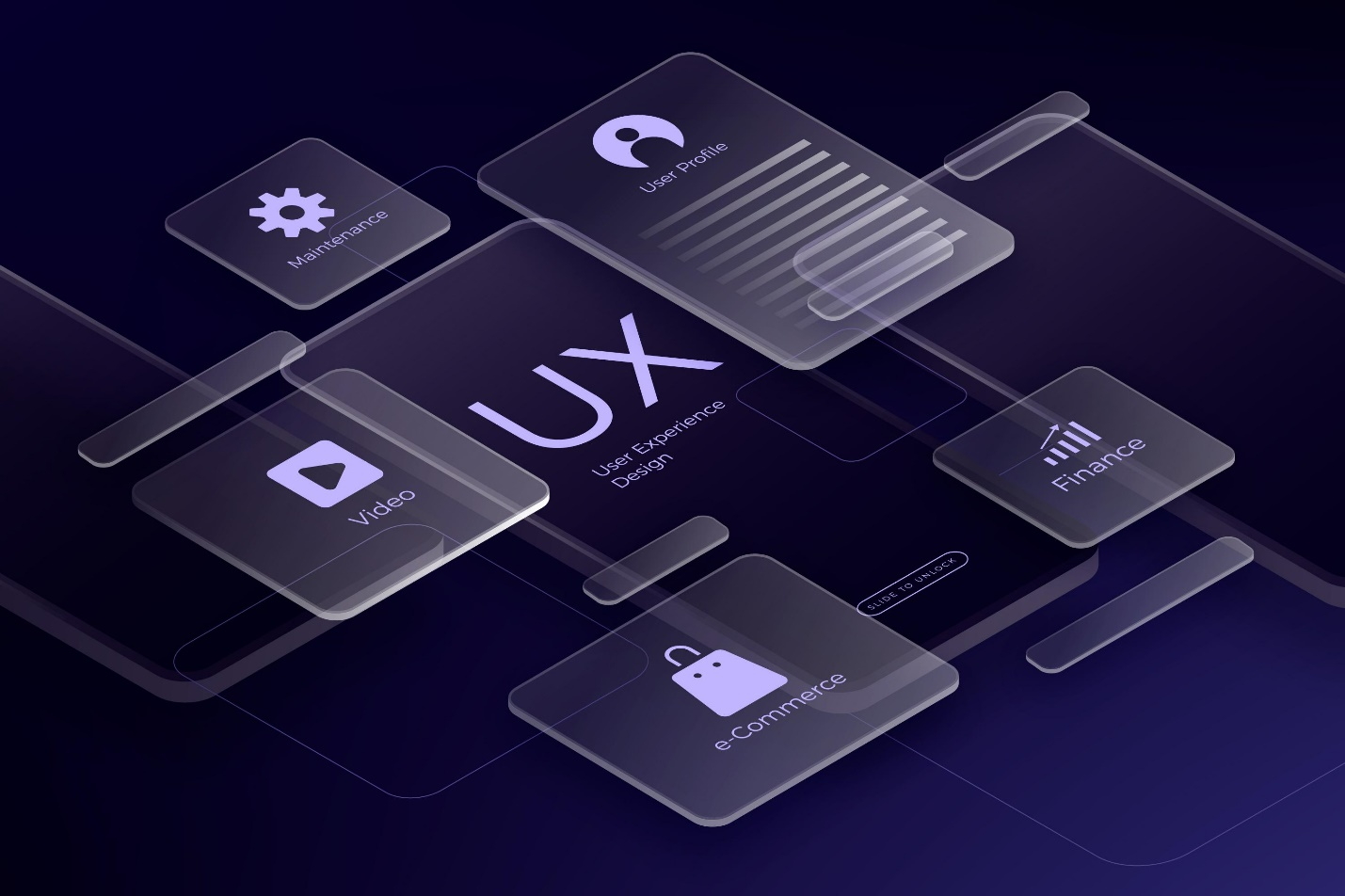
The demands of users are evolving more rapidly. Companies have to evolve fast in order to be competitive. The customer loyalty and conversions are now driven by UX design. An intelligent interface creates trust at the first glance. The emphasis of companies on human centered design will increase in 2026. Clarity, speed and personalization will be their priorities. Consumers demand smooth device-to-device digital experiences. Brands that do not care about UX will lose their market share. Contemporary design is a combination of technology and emotional attachment. It develops intuitive and meaningful experiences. This blog discusses the most significant UX trends in 2026. These trends will enable the businesses to develop and compete with confidence.
Artificial Intelligence-driven User Interface Personalization
The current user experiences are influenced by artificial intelligence. It examines the behavior of the user on the fly. AI is used by businesses to make content personal. Individualized dashboards enhance interaction to a high level. Intelligent suggestions enhance customer satisfaction. AI chat systems provide fast support. Predictive search saves time to the user. Firms gather feedback in order to perfect experiences. Machine learning enhances the design decisions in the long run. The customer relationships are enhanced through personalization. Users are made to feel special and highly appreciated. Companies that invest in AI based UX benefit. The intelligent systems increase usability and retention. AI powered design will be a digital success necessity in 2026.
AR and VR: Immersive Experiences
AR revolutionizes the interaction of the users. Virtual reality establishes exciting digital space. AR is used in visualization of products in businesses. Before shopping online, customers browse the products. VR improves training and education systems. Emotional involvement is enhanced by immersive design. Brand recall is enhanced through interactive experiences. AR applications facilitate the development of e-commerce. Immersive design is utilized by companies in storytelling. This provides interactive and realistic simulations to the users. This strategy will add more time to platforms. Immersive UX forms closer digital relationships. AR and VR will have a considerable impact on numerous industries in 2026.
Voice and Conversational Interfaces.
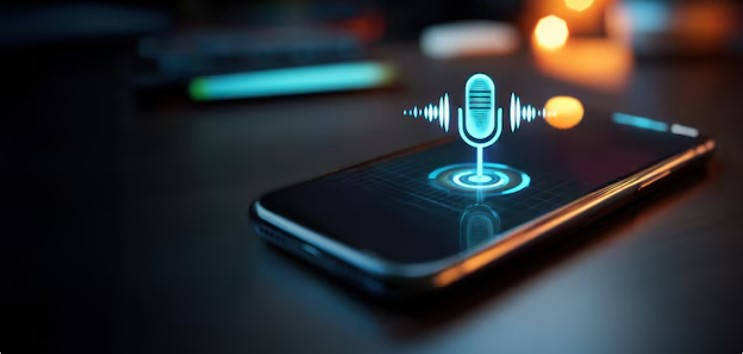
Voice interaction is still expanding at a very fast rate. Customers are fond of hands-free online experiences. Complex work is made easier through conversational interfaces. Voice search elevates accessibility among a number of users. Firms streamline voice queries platforms. NLP improves the quality of communication. Chatbots are more human and responsive. Smart assistants assist users in a smooth manner. Voice interfaces minimize the navigation friction. They enhance mobile efficiency. Voice commands are clear and increase usability. Businesses use voice in applications and web sites. The customer support systems are reinforced by conversational design. The voice UX will influence the digital interaction strongly in 2026.
Slim and Simple Interface Design
Minimalism enhances clarity and concentration. Simple designs decrease cognitive load. Uncomplicated navigation makes it easier to use in real time. Designers eliminate redundant aesthetic items. The white space enhances readability and balance. Clean designs make information faster to the users. Minimalist interfaces have quicker loading speed on devices. Companies have enhanced performance indicators. Effective communication is empowered by clear typography. Basic color schemes are consistent. New brands lean towards simple and refined designs. Mobile responsiveness in clean design is enhanced. Strong digital experiences will be characterized by simplicity in 2026.
Emotional Design and Micro Interactions
User decisions are highly affected by emotion. Interfaces developed by designers are human. Micro interactions increase user interaction in a subtle way. Minor animations give useful feedback. The user actions are directed by visual cues. Emotional design develops brand loyalty. Customers get in touch with significant online experiences. Audio and visual enhance the quality of interaction. There is smooth flow of navigation through subtle transitions. Companies are concerned with empathetic design. Interactive experiences enhance retention of customers. Brand perception is enhanced by emotional aspects. The concept of emotional UX will result in closer customer relations in 2026.
Data Driven UX Strategy
Information informs intelligent design. The patterns of user behavior can be easily identified through analytics. Companies experiment with actual knowledge. A data driven strategy decreases speculation. Heatmaps determine areas of engagement in a short period of time. An interface performance is enhanced by A B testing. Measures are used to optimize conversion funnels. Firms use responses to improve usability. Data guarantees the presence of continuous improvement cycles. Strategic decisions are based on quantifiable outcomes. Companies match UX requirements with customer requirements. This strategy enhances profitability. By 2026, information will define all design strategies.
Ethical and Sustainable UX.

Digital strategies are more affected by sustainability. The designers minimize the digital clutters. Energy usage is reduced by optimized code. Ethical UX is very strict in protecting user privacy. Open data policy develops confidence. Companies shun predatory design strategies. Credibility is enhanced through honest interfaces. Green hosting minimizes carbon footprint. Ethical decisions promote brand image. Sustainable design encourages sustainable development. Transparency and fairness are important to the users. Responsible brands will be determined by sustainable UX in 2026.
Hyper Personalized Branding and Visual Identity
Strong branding enhances user trust instantly. Businesses focus on unique digital identities. Personalization aligns visuals with user preferences. Consistent identity builds recognition effectively. Companies invest in strong branding design Dubai strategies. Visual storytelling improves engagement significantly. Localized design appeals to regional audiences. Strategic identity strengthens competitive positioning. A skilled freelancer like saaddesign delivers tailored experiences professionally. Unique branding increases customer loyalty greatly. In 2026, hyper personalization will define successful digital brands.
Conclusion
UX design will shape business growth in 2026. Companies must adapt to new technologies quickly. AI, voice, and immersive design lead innovation. Accessibility and ethics build long term trust. Data driven strategies improve measurable results. Strong branding strengthens customer perception. Businesses that follow these trends stay competitive. Investing in expert guidance ensures better outcomes. Partnering with professionals like saaddesign builds credibility. Modern UX requires vision and execution together. If you want to lead in 2026, act now. Upgrade your user experience strategy today.
Frequently Asked Questions
UX improves customer satisfaction and retention significantly.
AI personalizes content and predicts user behavior.
It prioritizes mobile usability before desktop layouts.
It ensures equal access for all users.
Strong branding builds trust and recognition instantly.